
Best Mechanical Sewing Machines
Compare mechanical sewing machines for durability, straightforward controls, stitch selection, maintenance, portability and dependable everyday performance.
Browse Sewing Machines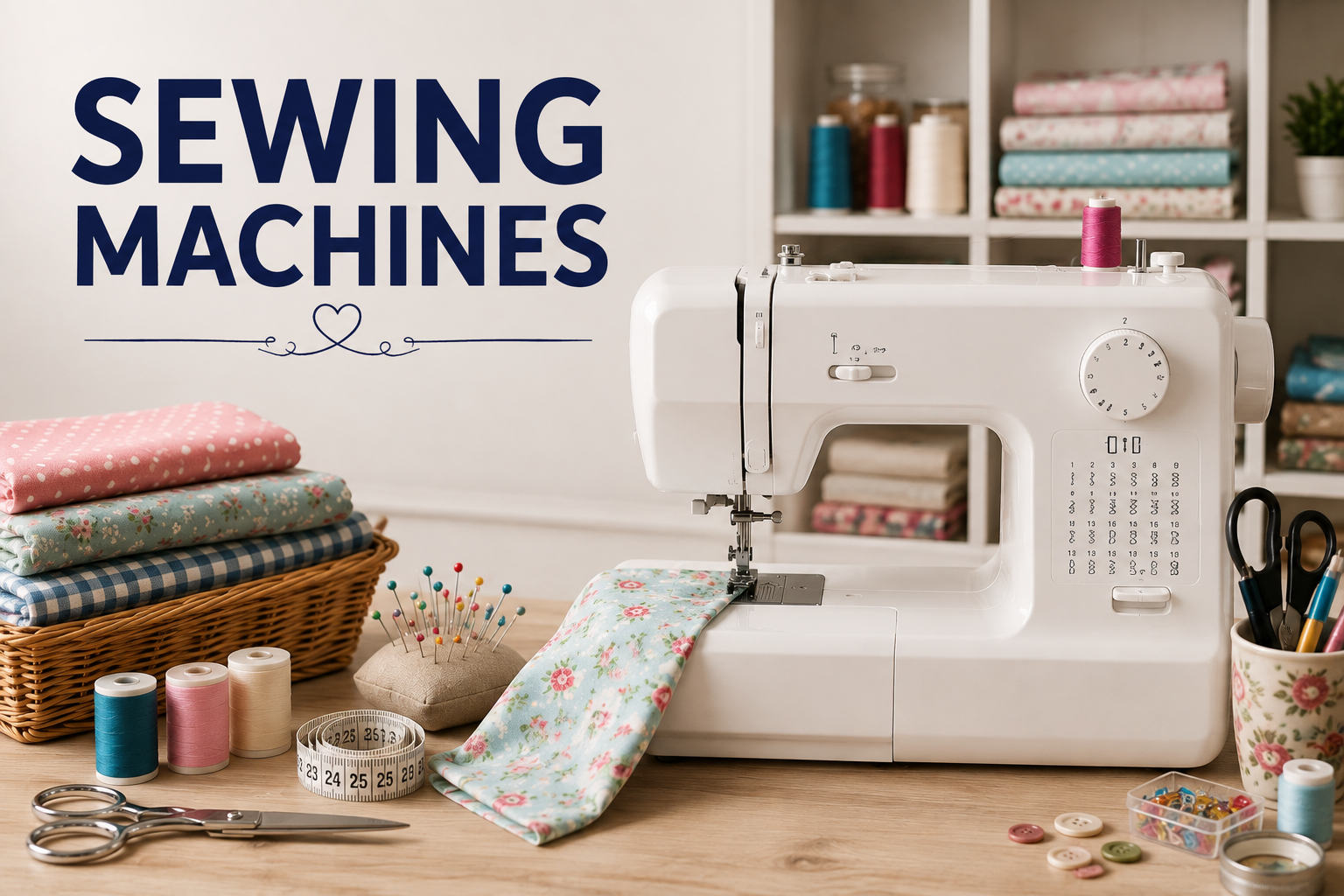
Quick Answer
The best mechanical machine offers stable stitch formation, intuitive dials, a usable free arm and enough adjustment for your fabric range without unnecessary electronic complexity.
Editor’s Shortlist
These representative picks cover distinct priorities. Match the machine to your projects instead of choosing by stitch count alone.
Janome HD3000
Mechanical reliability and thicker everyday fabrics
Check Current OptionsBrother GX37
Simple garment work and alterations
Check Current OptionsBrother CS7000X
Beginners and versatile home sewing
Check Current OptionsSINGER 7258
Computerized features on a moderate budget
Check Current OptionsComparison Table
| Machine | Score | Best For | Key Strength | Portability |
|---|---|---|---|---|
| Janome HD3000 | 9.4/10 | Mechanical reliability and thicker everyday fabrics | Durable mechanical platform | Heavier than entry-level machines |
| Brother GX37 | 9.5/10 | Simple garment work and alterations | 37 utility and decorative stitches | Compact mechanical format |
| Brother CS7000X | 9.8/10 | Beginners and versatile home sewing | 70 built-in stitches and speed control | Portable full-size design |
| SINGER 7258 | 9.6/10 | Computerized features on a moderate budget | 100 built-in stitches and speed control | Standard portable machine |
Detailed Recommendations
Janome HD3000
A respected mechanical design that emphasizes solid construction, direct controls and dependable feeding for varied home projects.
Mechanical reliability and thicker everyday fabrics
Durable mechanical platform
Heavier than entry-level machines
Verify current manufacturer terms
- Stable feel
- Simple mechanical controls
- Good fabric handling
- Useful presser-foot pressure adjustment
- Limited decorative stitch library
- Higher cost than basic mechanical models
Best for buyers who value a sturdy, traditional machine and expect to sew a wider range of fabric weights.
Brother GX37
A straightforward mechanical option with a free arm, common utility stitches and controls that are easy to understand at a glance.
Simple garment work and alterations
37 utility and decorative stitches
Compact mechanical format
Verify current manufacturer terms
- Simple dials
- Free-arm access
- Good everyday stitch selection
- Easy to store
- No speed slider
- Fewer automation features
A practical value pick for repairs, hems and routine projects where simplicity matters more than extensive automation.
Brother CS7000X
A balanced computerized machine with straightforward controls, an automatic needle threader, adjustable speed and a useful accessory package.
Beginners and versatile home sewing
70 built-in stitches and speed control
Portable full-size design
Verify current manufacturer terms
- Easy stitch selection
- Speed slider supports new users
- Useful quilting and utility stitches
- Broad accessory bundle
- Not intended as an industrial machine
- Advanced users may outgrow its workspace
The strongest all-around choice for readers who want approachable computerized controls without giving up room to learn.
SINGER 7258
A feature-rich computerized machine suited to users who want decorative options, programmable needle position and push-button convenience.
Computerized features on a moderate budget
100 built-in stitches and speed control
Standard portable machine
Verify current manufacturer terms
- Large stitch library
- Adjustable speed
- Multiple buttonhole styles
- Useful automatic functions
- Interface takes some learning
- Not designed for constant heavy layers
A strong feature-value option for sewists who expect to explore garments, crafts and decorative work.
How to Choose
Mechanical machines appeal to sewists who prefer direct dials and a focused utility stitch set. Compare build, feeding, presser-foot pressure, buttonholes and serviceability.
Simple daily sewing
Choose clear stitch-length and width controls with an accessible reverse lever.
Thicker fabrics
Look for stable feeding and appropriate presser-foot pressure adjustment.
Occasional use
A compact machine with common feet and easy storage may be enough.
Long-term ownership
Check local servicing, replacement parts and manual availability.
Features That Matter
Controls and Speed
Choose controls you can operate confidently. A speed slider is especially useful for new sewists and precise work.
Fabric Feeding
Look for even feeding, adjustable presser-foot pressure where relevant, and compatibility with useful specialty feet.
Free-Arm Access
A removable accessory bed makes cuffs, sleeves, trouser hems and other tubular projects easier.
Needle and Bobbin Setup
Clear threading paths, accessible bobbins and an effective needle threader reduce setup friction.
Useful Stitches
Straight, zigzag, stretch, blind hem and dependable buttonholes matter more than decorative stitch totals.
Support and Service
Check manuals, tutorials, replacement parts, dealer access and warranty terms before purchase.
Common Buying Mistakes
- Buying for stitch count: A smaller set of well-controlled stitches may be more useful than hundreds you never select.
- Ignoring fabric range: A machine comfortable on cotton may not be the right choice for repeated denim, canvas or slippery fabrics.
- Skipping service research: Parts, tutorials and repair options affect long-term ownership.
Frequently Asked Questions
Are mechanical machines more reliable?
They have fewer electronic controls, but reliability still depends on design, maintenance, use and service.
Can they make buttonholes?
Many can, using one-step or multi-step systems depending on the model.
Are they good for beginners?
Yes, particularly for learners who prefer visible dials and a smaller set of choices.
Do they handle thick fabric?
Some do better than others. Machine strength, feeding, needle choice and seam preparation all matter.
What maintenance is required?
Follow the manual for lint removal, bobbin-area cleaning, approved lubrication and servicing.
Are mechanical machines portable?
Many are portable, though sturdier models can be noticeably heavier.
Compare Current Sewing Machine Options
Use the criteria above to narrow the field, then confirm current specifications, included accessories, warranty terms and pricing.
Browse Sewing Machines