
Buying Guides
Browse sewing machines, specialty equipment, tools and workspace guides by project, skill level and equipment type.
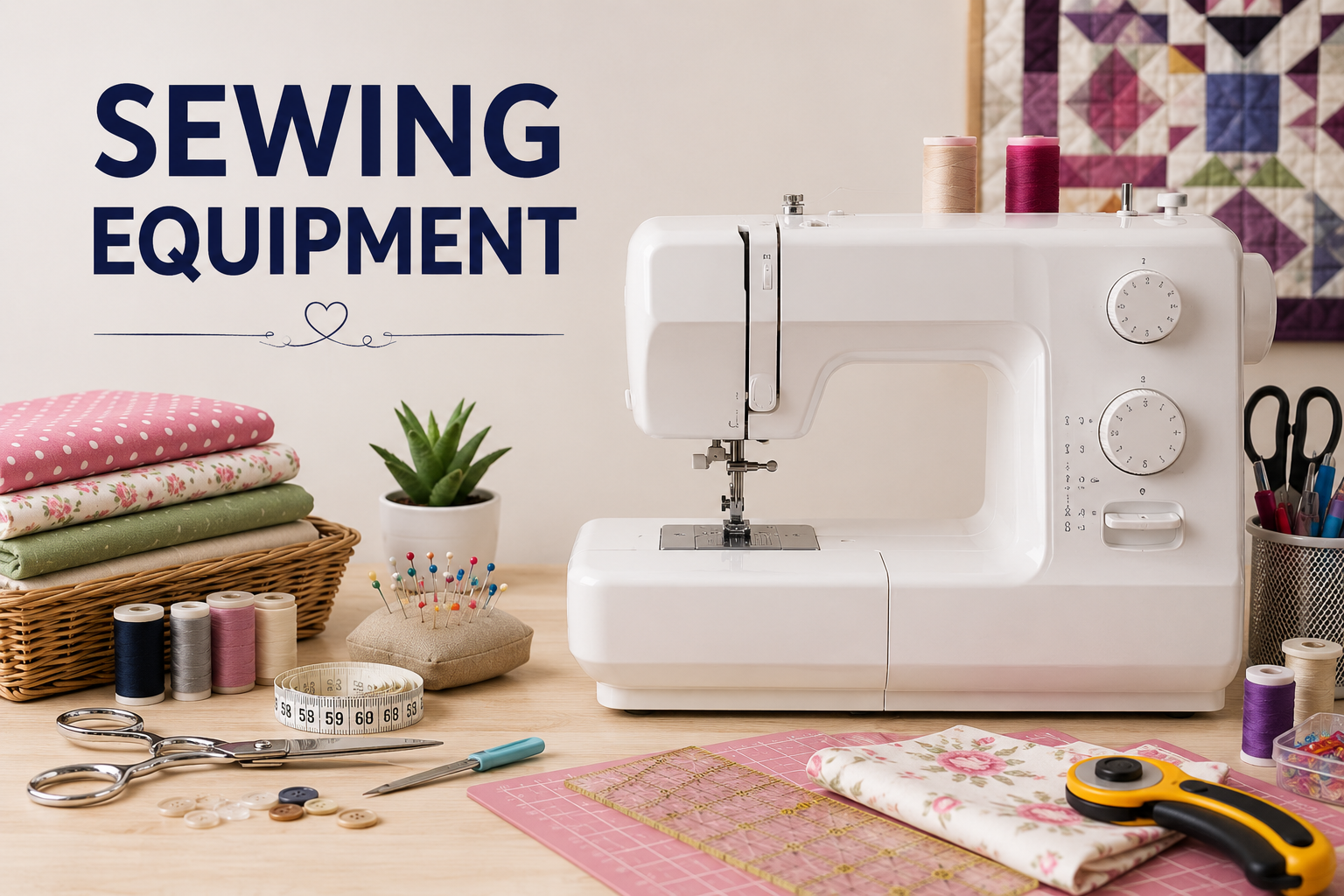
Start with the work, not the label
Define the projects, fabric range, control preference, workspace and frequency of use. Then use these paths to narrow the equipment class or exact models.
Explore the directory
A four-step research path
1. Define the repeated task
List the actual fabrics, seam types, finished dimensions and frequency. A machine for occasional repairs faces a different workload from one used for weekly garments or paid embroidery.
2. Select the equipment class
Decide whether the work needs a general sewing machine, a serger, embroidery capability, quilting space or a specialized feed system.
3. Compare exact models
Check controls, workspace, included feet, compatibility, manuals and meaningful limitations. Broad brand reputation cannot establish the fit of a particular model.
4. Verify ownership details
Confirm current configuration, seller, warranty, return terms, consumables, local service and the accessories required for the intended workflow.
What deserves the most weight?
Control at the speed you actually sew, dependable fabric transport and the correct workspace usually matter more than decorative stitch totals. For garment work, free-arm access, buttonholes and zipper feet matter. For quilting, throat space and feed options matter. For embroidery, hoop field, file transfer and design workflow matter.
Also distinguish capability from convenience. A machine may technically create a stitch while making the process slow, awkward or inconsistent at the required scale. Good comparisons explain that difference instead of treating every listed feature as equal.
How to compare responsibly
Use current manufacturer documentation for specifications and manuals, then judge whether those features solve the intended task. Brand reputation, stitch totals and marketing labels do not replace model-level analysis.
Frequently asked questions
Where should a first-time buyer start in the guide library?
Focus on the exact Sewing Buying Guides tasks you will repeat, then compare control, fabric handling, workspace, accessories and support. Manufacturer specifications establish capability, but realistic project limits and correct setup determine whether the machine is a good fit.
How narrow should a sewing-machine buying guide be?
Focus on the exact Sewing Buying Guides tasks you will repeat, then compare control, fabric handling, workspace, accessories and support. Manufacturer specifications establish capability, but realistic project limits and correct setup determine whether the machine is a good fit.
Which specifications matter most for home sewing?
Focus on the exact Sewing Buying Guides tasks you will repeat, then compare control, fabric handling, workspace, accessories and support. Manufacturer specifications establish capability, but realistic project limits and correct setup determine whether the machine is a good fit.
Why are project-specific guides more useful than bestseller lists?
Focus on the exact Sewing Buying Guides tasks you will repeat, then compare control, fabric handling, workspace, accessories and support. Manufacturer specifications establish capability, but realistic project limits and correct setup determine whether the machine is a good fit.
Should the budget include accessories and service?
Focus on the exact Sewing Buying Guides tasks you will repeat, then compare control, fabric handling, workspace, accessories and support. Manufacturer specifications establish capability, but realistic project limits and correct setup determine whether the machine is a good fit.
How can buyers verify current product availability?
Focus on the exact Sewing Buying Guides tasks you will repeat, then compare control, fabric handling, workspace, accessories and support. Manufacturer specifications establish capability, but realistic project limits and correct setup determine whether the machine is a good fit.
What does a research-based recommendation mean?
Focus on the exact Sewing Buying Guides tasks you will repeat, then compare control, fabric handling, workspace, accessories and support. Manufacturer specifications establish capability, but realistic project limits and correct setup determine whether the machine is a good fit.